

A perfectly structured life may seem like the best gift modern parenting can offer, but it carries a hidden cost. Today’s Alpha–Beta generation is growing up with everything planned and guided, leaving little space to think, struggle, or grow independently.
“Alpha–Beta” refers to the current and upcoming generations. They are those born roughly after 2010 (Gen Alpha). The next generation is born after 2025 (Gen Beta). They are growing up in a highly structured, technology-driven world.
Modern parenting looks responsible.
It looks caring.
It looks planned.
And maybe that is the problem.
We try to give children a perfect life. In doing so, we slowly take away the very things that make life real: uncertainty, struggle, curiosity, and self-discovery. Today’s children are not growing up in chaos…
They are growing up in control. And in that control, something silent is fading
The ability to think, to choose, and to stand on their own.
1. Everything Is Decided in Advance

A child today often grows up inside a life that is already written.
From the choice of school to the choice of subjects, from hobbies to career paths—everything is carefully planned. It comes from love, from concern, from the wish to “secure” their future.
But a life that is fully decided leaves no space for decision-making.
When a child is always told what is right, they never learn how to figure out what is right. They become good at obeying instructions but uncomfortable with uncertainty. And life, outside of plans, is full of uncertainty.
One day, when things don’t go as expected—and they rarely do—the child feels lost. This is not because they lack ability. It is because they were never trained to decide for themselves.
Let children make small, imperfect decisions. Let them choose, make mistakes, and learn. Decision-making is not taught through instructions—it is built through experience.
2. Digital Dependency Replacing Real Experiences
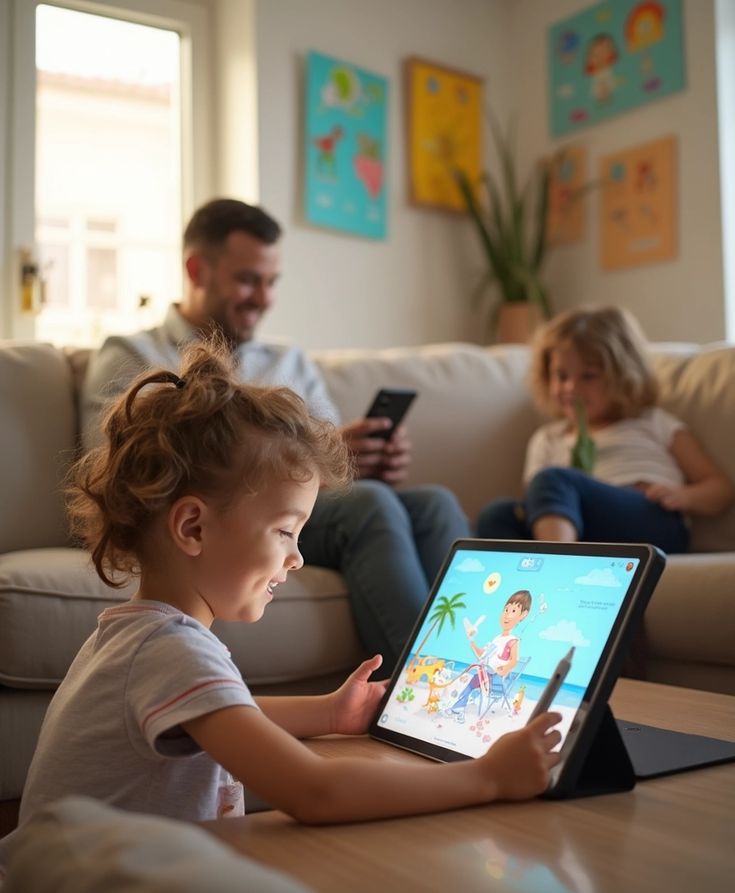
Childhood today is increasingly happening on screens.
Moments that were once lived—playing outside, observing people, feeling boredom—are now replaced by scrolling, tapping, and watching. A child may spend hours engaged with a device, but very little time engaged with real life.
The problem is not just distraction. It is disconnection.
A child who grows up more comfortable with screens than with people slowly loses the ability to connect deeply. They also find it hard to focus for long. Furthermore, they struggle to sit with their own thoughts.
Technology should support life, not replace it. Create spaces where children experience the real world—nature, conversations, silence, and even boredom. That is where awareness begins.
3. Success Defined Only by Marks and Results
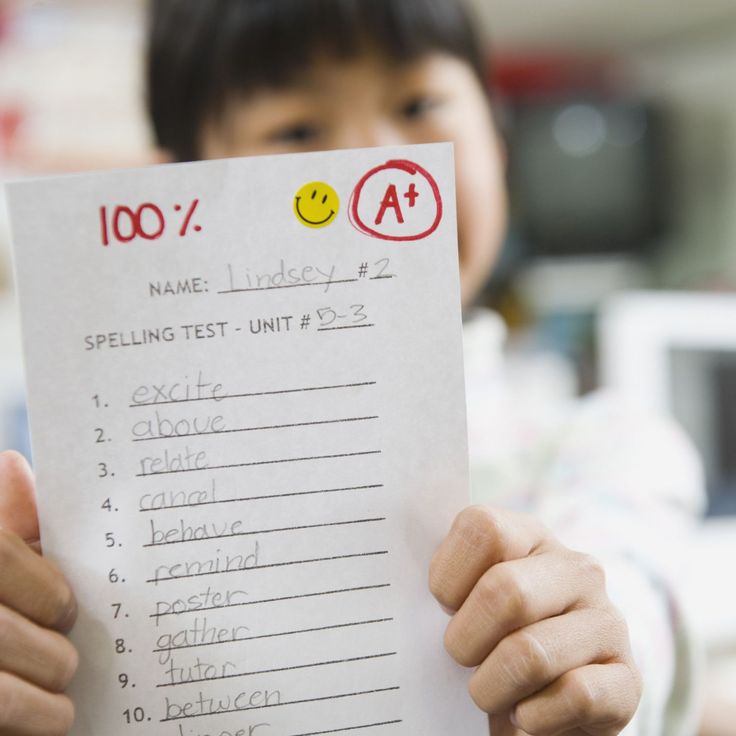
Somewhere along the way, success became measurable.
Marks, ranks, percentages—these numbers started defining a child’s worth. Effort, curiosity, and learning quietly moved to the background.
The child begins to believe that being good is not enough—they must be better than others.
This creates pressure. Silent, constant pressure.
And when success becomes everything, failure becomes unbearable.
Redefine success at home. Appreciate effort, improvement, and learning. Teach children that failure is not the opposite of success—it is part of it.
4. Over-Protection from Every Struggle

It is natural for parents to protect their children.
But when protection becomes constant, it turns into limitation.
A child who is saved from every difficulty never learns how to face one. When parents fix problems, they prevent failure. By smoothing every path, the child misses the chance to build resilience.
And resilience is not taught—it is earned through experience.
Allow children to struggle in small ways. Let them solve problems, face consequences, and feel discomfort. Strength grows in those moments, not in comfort.
5. Lack of Real-Life Responsibilities
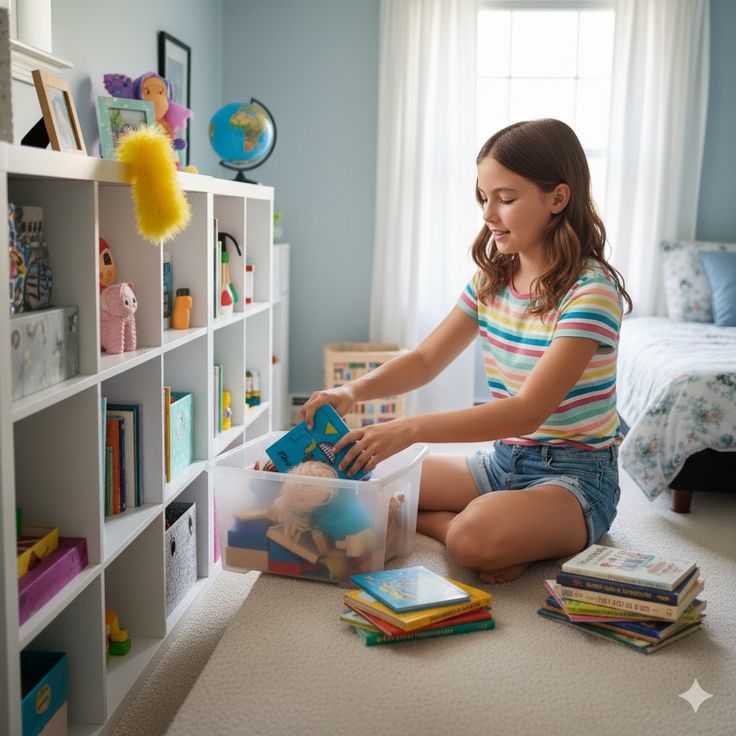
Today’s children are often focused on studying and performance, while being kept away from everyday responsibilities.
They excel academically but struggle with basic life tasks.
Because responsibility was never given—it was always handled for them.
Responsibility is not a burden. It is a training ground for independence.
Give children age-appropriate responsibilities. Let them contribute at home, manage small tasks, and take ownership of simple things. This builds confidence in real life, not just on paper.
6. No Space to Think or Question
In many homes, instructions are constant.
“Do this.”
“Don’t do that.”
“Follow this way.”
While guidance is important, too much control leaves no space for thinking.
A child who is always directed rarely learns how to direct themselves.
Over time, curiosity fades. Initiative reduces. Thinking becomes dependent.
Encourage questions. Allow discussions. Let children disagree respectfully. Thinking grows when it is allowed, not when it is controlled.
7. Emotional Disconnect in Busy Lives
Today, families are connected—but often not emotionally.
Everyone is here, but distracted. Conversations are shorter. Listening is limited. Time is shared, but not deeply experienced.
A child can have everything—but still feel unheard.
And when children stop expressing, they start suppressing.
Create daily moments of real connection. Sit together. Talk without judgment. Listen without interruption. Emotional security is built in these simple, consistent moments.
8. Modern Parenting Comparison Culture

Comparison has quietly become a part of parenting.
“Look at others.”
“See how well they are doing.”
What seems like motivation often turns into pressure.
A child who is constantly compared starts measuring their worth through others. Instead of growing, they start doubting.
Confidence does not grow in comparison. It grows in acceptance.
Focus on the child’s individual progress. Appreciate who they are becoming, not how they rank against others.
9. Providing Everything Except Presence

Modern parenting often focuses on providing the best of everything—good education, comfortable lifestyle, gadgets, classes, and opportunities. On the surface, it feels like children are getting everything they need.
But in this effort to give more, something essential is quietly missing—presence.
Time, attention, and real connection are slowly being replaced by convenience.
Another silent pattern is becoming common:
Many parents find it difficult to say “no.”
To prevent conflict, parents often grant children whatever they ask for. They do this to avoid feelings of guilt or disappointment. Whether it’s a gadget, an outing, or a wish, the demand is fulfilled. Over time, the child begins to live in a world where:
Every want is fulfilled… and “no” has no real meaning.
But life outside the home does not work this way.
When children grow up without hearing “no,” they are not prepared for rejection, delay, or limitation. Even small refusals feel frustrating. Patience becomes weak, and expectations become unrealistic.
At the same time, despite having everything, there is often an emotional gap.
Because what children truly need is not just availability of things but availability of people.
Be available—not just physically, but emotionally. Your attention, your time, your presence—these matter more than anything you give.
10. Fixed Definition of Success

In many homes, success is already defined long before a child understands life.
It often follows a fixed pattern—
First, score good marks. Then, get into a good college. Next, secure a job in a multinational company. Finally, earn a high salary. This path is seen as the ideal life, and anything outside it is quietly treated as less important.
Over time, children start to believe the next:
If I don’t follow this path, I am not successful.
A child who scores average marks can start feeling like they have failed. Choosing a different career or pursuing a creative path can cause similar feelings. This happens even when they are capable in their own way.
This narrow definition does not just limit careers…
it limits identity.
Children stop asking, “What do I truly want?”
and start asking, “What is considered successful?”
True success is not about fitting into a predefined path. It is about building a life that aligns with who you truly are.
11. Ignoring the Parents’ Relationship

One of the most silent yet powerful influences on a child is the relationship they notice at home.
Children learn respect, behavior, and emotional balance not from advice but from what they see.
If parents respect each other, children absorb that respect.
If they don’t, children carry that confusion.
Today, it has become important to remind children of something that many families hesitate to say:
“Before you, there is us. Our relationship comes first.”
Not because the child is less important,
but because the strength of that relationship is what shapes the child’s world.
When a mother says no, and the father supports that decision—
The child learns consistency.
When parents respect each other’s thoughts and stand together—
The child learns what respect actually looks like.
Value your relationship. Speak with respect. Handle disagreements with dignity. A healthy environment shapes a healthy mind.
12. A Life Without Uncertainty and Exploration
In trying to make life safe, we often remove uncertainty.
But uncertainty is not the enemy.
It is the space where growth happens.
A child who never explores, risks, or steps into the unknown never discovers their true strength.
Allow exploration. Let children try new things, take small risks, and experience the unknown. Confidence is built outside comfort zones.
Ask for Modern Parenting
Modern parenting doesn’t need to be perfect—just more balanced and aware. Children don’t need everything planned for them. They need to learn how to think. They should make decisions and handle life on their own. Instead of controlling everything, parents should focus on giving time, guidance, and real-life understanding. Because a child doesn’t need a perfect path—they need the strength to create their own.
Parenting today is not wrong.
It is just becoming too controlled for a life that is naturally unpredictable.
Because in the end, strength does not come from pursuing a path…
It comes from learning how to create one.