

Why don’t we live our lives beyond our salary slips? Because today, we have reduced life to a banking transaction. A bank statement has two columns—Credit and Debit. Our life, too, seems to operate with just two columns—Pain and Pleasure.
In accounting, any amount that does not match between “Debit and Credit” is placed into a Suspense Account. Similarly, in life, there is a suspense account that does not fall under “Pain or Pleasure—it is Peace.“
“Salary slips can record our pain and pleasure, but life’s suspense account often remains unresolved throughout our entire existence.”
Today, let us try to resolve this suspense account of life.
Life in Two Columns: Pain and Pleasure
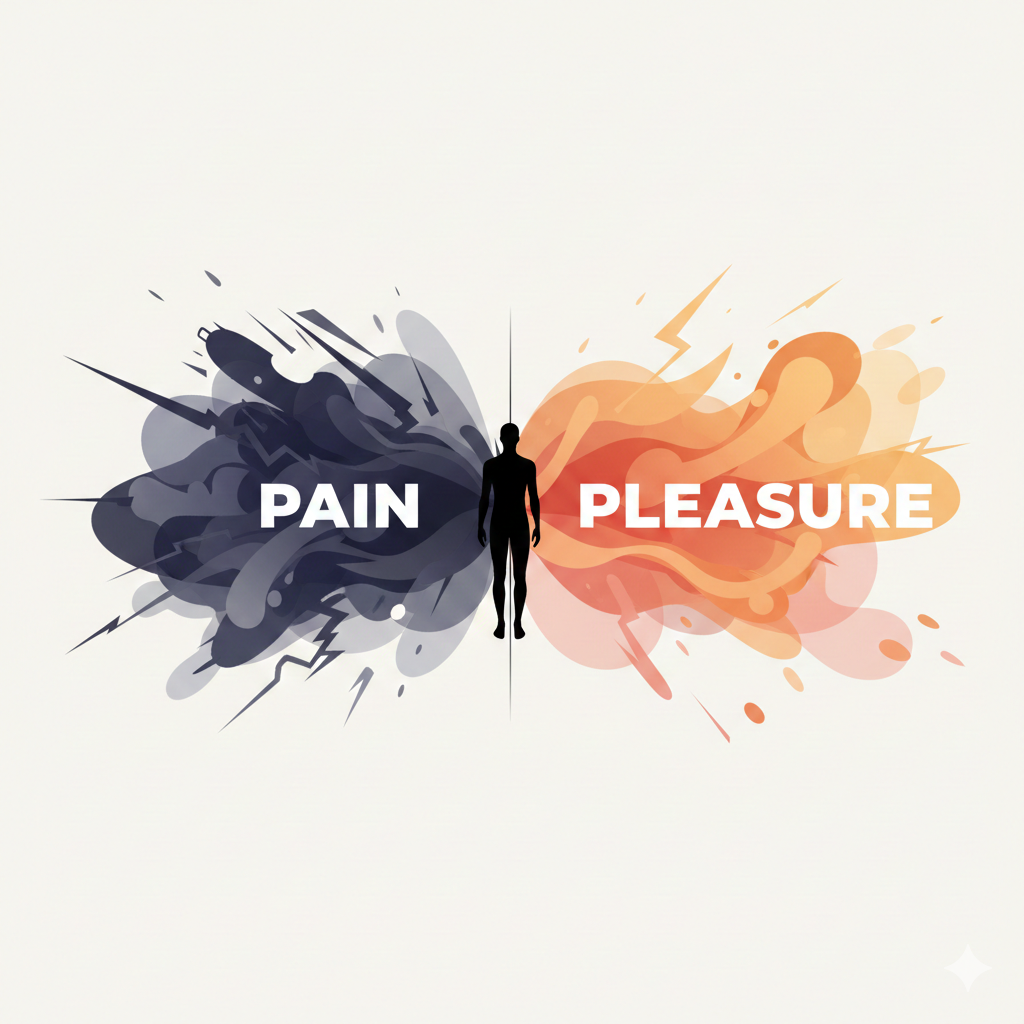
If we were to write an autobiography of our life, it would be filled with countless experiences, events, and moments. Yet at its core, the entire story could be summarized into just two columns: Pain and Pleasure.
Why only two? Because every action we take in life is essentially a response to these two forces.
Pain
Wherever there is pain, we act to remove it or reduce it. Pain acts as a signal—something is missing, broken, or uncomfortable. It pushes us to move, to strive, and to change.
Pleasure
Wherever there is pleasure, we act to increase it or prolong it. Pleasure encourages repetition. It becomes the reward system that quietly shapes our habits, decisions, and priorities.
The Circular Nature of Life Goals
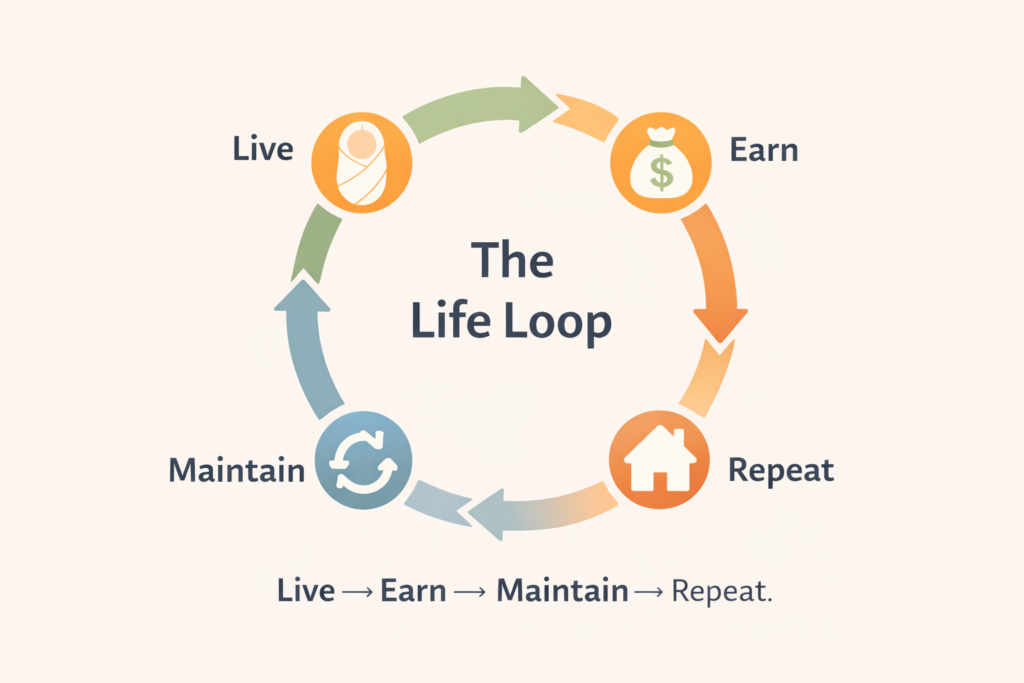
We often hear that the world is round. But when we observe life closely, it feels as if our goals, too, spin in circles.
From birth to death, our actions remain circular, interconnected, and dependent on one another:
- We act to survive → earn money → live comfortably
- We act to reduce discomfort → seek pleasure → search for meaning
One action leads to another, forming a cycle that repeats throughout life.
“The Life Loop: Live → Earn → Maintain → Repeat.”
Living to Earn, Earning to Live

From the moment we are born until the day we die, our actions revolve in circles. We do this for that, and that for this—live to earn, earn to live. Our life goals keep spinning in this endless loop.
What our parents did, we follow. And the next generation seems ready to repeat the same cycle.
Why does this happen? Because to maintain a certain lifestyle and social standard, we strive for the best education, the best job, and the best career and then ensure the best future for our children.
Amid all this chasing, life narrows down to just two visible rewards: salary and weekends.
When Success Leaves No Time to Live
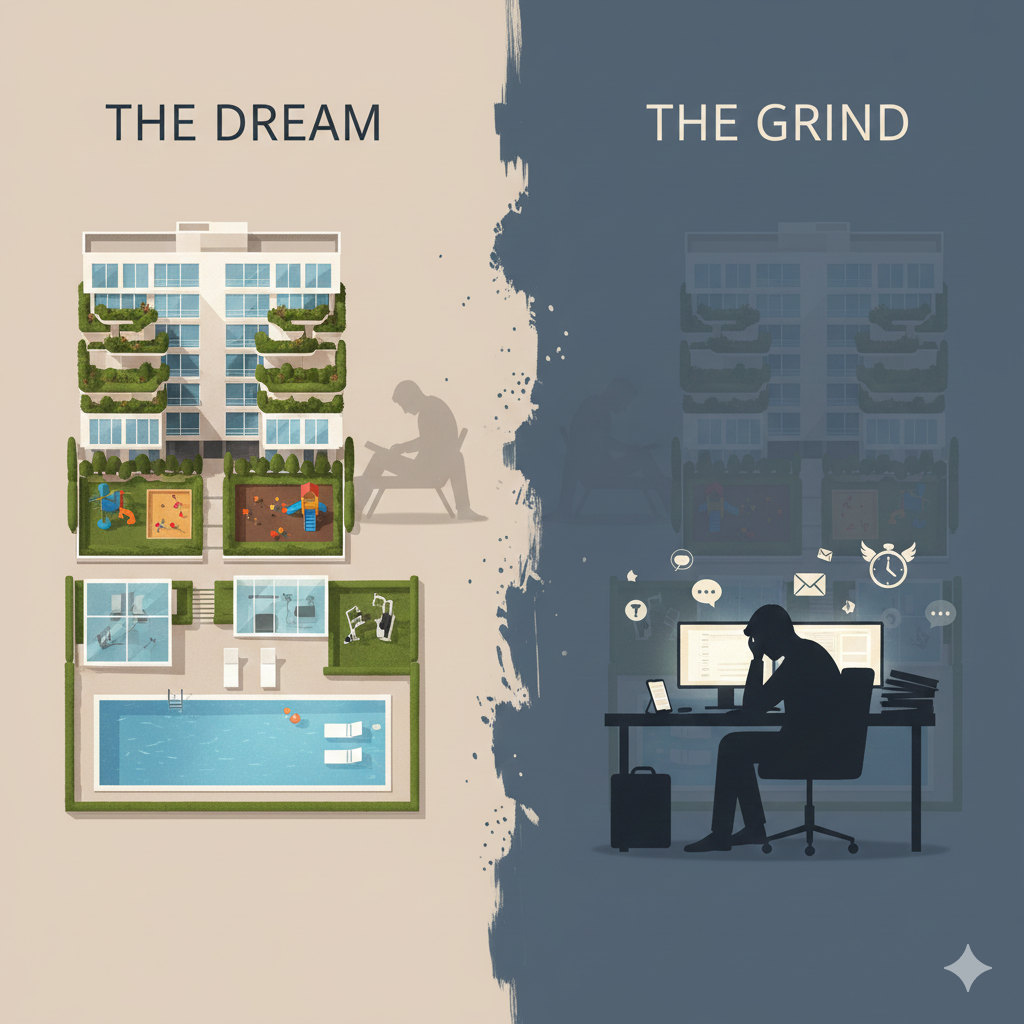
We buy flats worth crores, but to pay their EMIs, we pour all our energy into earning. In this race, the very facilities that come with these expensive homes remain unused.
There is a swimming pool, but no time to swim. There is a gym, but no health left to maintain. There is a garden, yet no time to sit, breathe, or play with our children.
What was meant to enhance life slowly becomes a reminder of what life has lost.
Children Raised with Facilities, Not Presence

Children today are growing up surrounded by facilities, not by presence. Parents seem to have everything—comfort, convenience, and security—but children do not have their parents.
Instead of time, they are given toys. Instead of emotional availability, they are handed gadgets.
And then society labels them:
“Today’s children are emotionally weak.”
The truth is more uncomfortable: Today’s children are emotionally neglected.
They are not lacking strength; they are lacking connection.
When Respect Is Measured by a Salary Slip

We grew up believing that respect cannot be bought—it must be earned. Yet reality today tells a different story.
A person once shared his experience: as long as he had a job, he was respected and cared for in his family. The moment he left his job, respect turned into taunts. Even meals became uncomfortable.
Not because he lost his values or character—but because he lost his income.
This reveals a harsh truth: in today’s homes and communities, job titles and salary slips often matter more than the human being.
Gandhi’s Warning in a Greed-Driven World

Mahatma Gandhi’s words feel more relevant today than ever:
“The Earth has enough resources to meet everyone’s needs, but not enough to satisfy everyone’s greed.”
We are no longer running to fulfill needs. We are running to maintain status, comparison, and perception. In this race, humanity quietly steps aside.
The Job Seeker Caught Between Society and the System

Today’s job seeker has become a sandwich—crushed between two pressures.
On one side is society, demanding status, respect, and a certain lifestyle. On the other side is the workplace, demanding endless productivity at any cost.
To survive, people accept corporate politics, unfair rules, and mental pressure as “normal.” Survival replaces self-respect. Silence replaces resistance.
Corporate Growth Without Human Welfare
In India, the corporate sector has adopted many global work systems and productivity models. But when it comes to employee welfare and emotional health, it still lags behind.
In some countries, employees can take leave to take their dog to the hospital. In India, taking leave for one’s own health often requires multiple emails, explanations, and guilt.
The pressure and expectations are not just stressful—they are dehumanizing.
The Question We Must Ask Ourselves
At what point did earning a living start costing us our lives? When did success become so loud that relationships turned silent?
If progress demands the sacrifice of health, family, dignity, and emotional well-being, then it is not progress—it is a slow, socially accepted collapse.
Standing Up for Our Own Life Values
We see all this. We live through it. But until we take a stand for our own lives and understand our own values, no system or society will do it for us.
Life operates on belief. We believe in destiny, in God, and in actions that bring blessings. For these beliefs, we act sincerely—even when it is hard.
In the same way, we have accepted the belief that a good life means a good job and a good salary. And for this belief, we give our days, nights, health, and time.
Money Reduces Pain, Not Restlessness
A salary can reduce pain, but it cannot create peace. Financial stability may solve problems, but it cannot settle the inner imbalance.
Between debit and credit, life’s suspense account never truly tallies.
To balance it, we must pause. Focus. Reflect. Choose need over greed.
And in that pause, life begins to feel like something to be lived—not just managed.
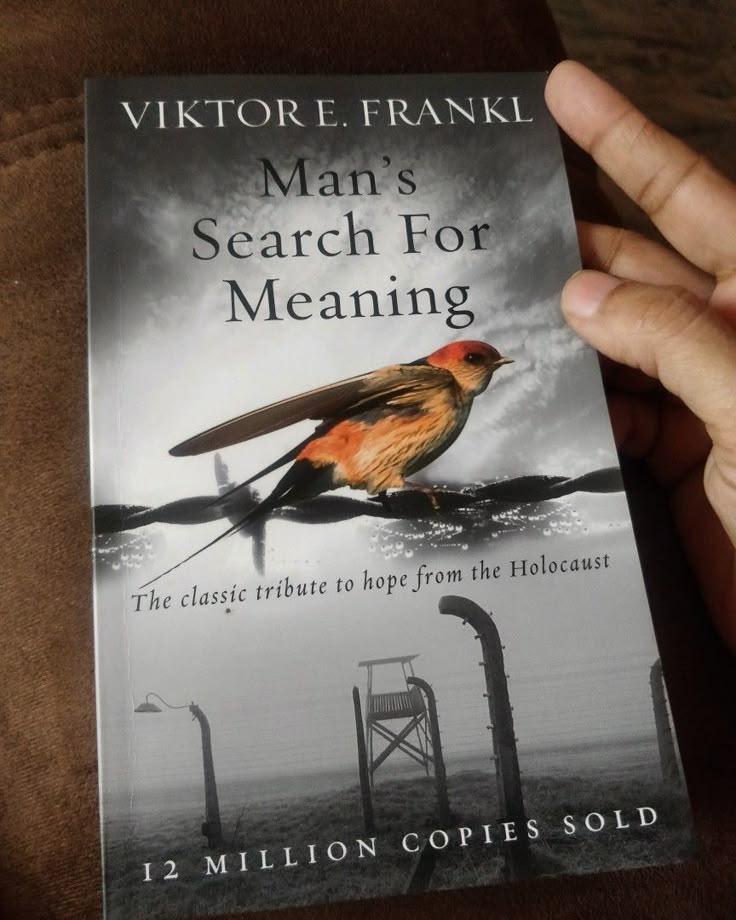
Man’s Search for Meaning by Viktor E. Frankl reminds us that even in the most dehumanizing conditions, a person can preserve dignity, purpose, and inner freedom. The book shows that meaning does not come from salary, status, or comfort, but from how we respond to suffering and responsibility. In a world where survival often replaces self-respect, Frankl’s words quietly ask us to choose meaning over mere existence.
Right 👍