
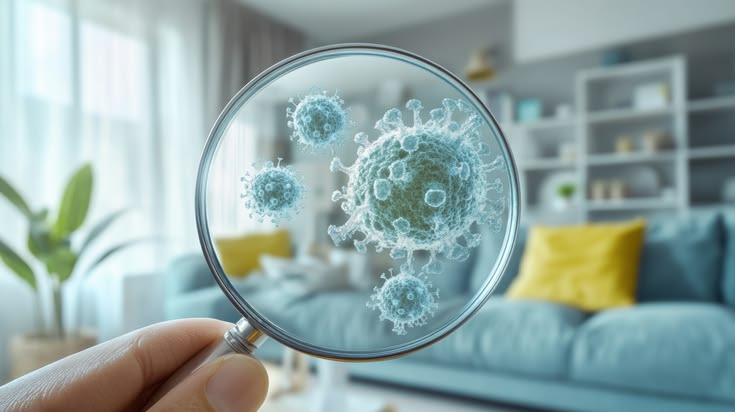
We often say, “My whole day goes into housework, but it never ends.”
But even after doing everything, we still miss the hidden blind zones in our home.
In India, cleaning is part of our daily life and even our festivals. We start our day with it.
But still… something feels incomplete.
Because cleaning is not just a task or responsibility—it is about awareness.
And it is not just one person’s job. Every member of the house—men, women, children, elders—should take part in it.
No matter how busy you are, doing small things yourself gives a sense of peace, control, and satisfaction.
We clean our homes every day—sweeping, mopping, dusting.
Everything looks clean. But real cleanliness is not only what we see… it is also what we don’t notice.
There are some hidden “blind zones” in every home where dirt and bacteria quietly build up.
10 Hidden Blind Cleaning Zones (With Real Causes & Effects)
1) Switch Boards & Door Handles – Most Used, Least Cleaned
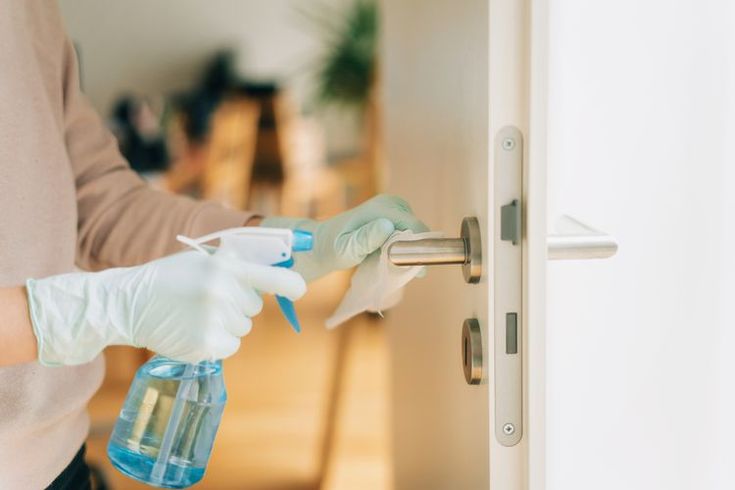
These are part of our daily life, but we rarely think about cleaning them.
We touch them many times a day—often without even noticing.
How do they get dirty?
- We touch them again and again, mostly with unwashed hands
- Our hands carry sweat, oil, dust, and germs from outside
- When guests come, they also touch the same handles and switches
What actually happens on the surface?
- Germs get transferred and stay on the surface for many hours
- Some bacteria and viruses can survive long enough to infect others
- A thin invisible layer of oil and dirt builds up over time
- Every new touch adds more germs and spreads the existing ones
❗ Deeper Problems & Risks:
- Continuous cross-contamination between family members
- Faster spread of infections like cold, flu, and viral illnesses
- Children and elderly (with weaker immunity) are at higher risk
- Even if hands are washed later, the cycle repeats through these surfaces
✨Smart Cleaning Tip:
You can give this task to any child or elderly person in your home. It doesn’t require extra effort from you.
Children will learn small responsibilities, and for elders, it helps keep their hands and body active.
If neither is there, you can simply treat it as a part of your daily cleaning routine and complete it yourself.
2) Mobile Phone – The Most Used, Most Ignored Dirty Surface
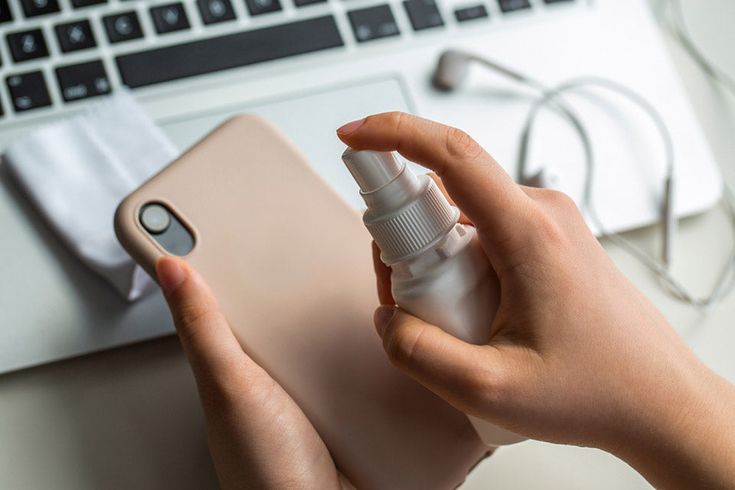
Your mobile phone can often be more contaminated than a toilet seat. Your phone is always with you—
in your hand, near your face, even beside your pillow.
But we almost never think of cleaning it.
How does it get dirty?
- We use it everywhere—outside, kitchen, bedroom, even bathroom
- Our hands carry oil, sweat, dust, and germs that stick to the screen
- We place it on different surfaces like tables, beds, and bags
- We keep touching it after eating, traveling, or coughing
- Sometimes we even use it while cooking or doing household work
What actually happens on the surface?
- A thin oily layer builds up from fingerprints and sweat
- Germs easily stick to this layer and stay there
- The heat generated by the phone helps some bacteria survive longer
- Every time you use your phone, germs transfer back to your hands and face
- When you hold it near your ear or cheek, germs directly touch your skin
❗ Deeper Problems & Risks:
- Continuous transfer of bacteria to your face → acne, pimples, irritation
- Germs enter your body through hands, mouth, or nose
- Increased risk of infections due to repeated exposure
- Poor hygiene habits unknowingly affecting your health daily
- Even clean hands become dirty again after touching the phone
✨Smart Cleaning Tip
There is no “smart” tip here—because today, almost everything smart is done through your phone.
So to clean your smart device, you actually need to do a little hard work.
The hardest thing today is to keep your phone away from your hands for a while.
So do that—keep it aside, clean it properly, and then use it again.
3) Pillow Covers & Bedsheet Edges – Where You Spend the Most Time
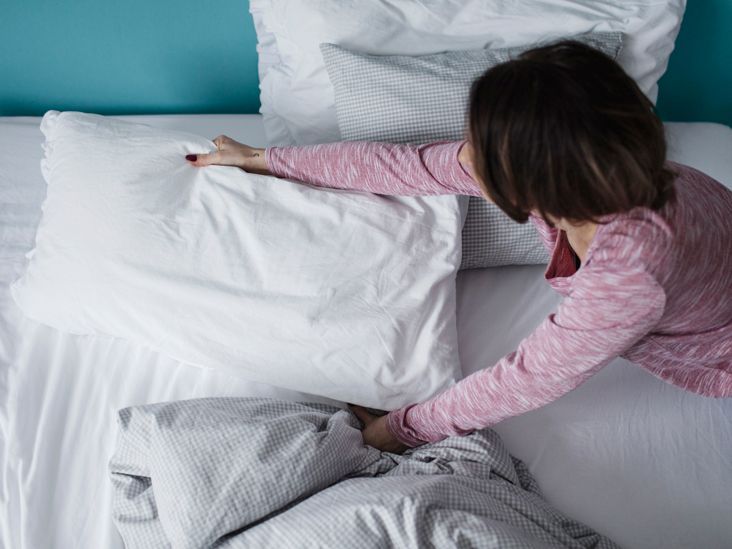
We usually wash bedsheets only when they look dirty or after many days.
But the place where we spend the most time—our bed—needs more regular care.
We sleep on it the whole night, every day.
So ideally, pillow covers and bedsheets should be cleaned at least twice a week.
Also, the dust under the bed should be cleaned daily.
How do they get dirty?
- Our body releases sweat, oil, and dead skin while sleeping
- Hair oil and skin contact add to the buildup
- Corners and edges of bedsheets trap more dust and dirt
- Dust from the room settles on the bed surface and under the bed
What actually happens?
- Moisture from sweat combines with skin particles
- This creates a perfect environment for dust mites (tiny invisible organisms)
- These mites grow and stay deep inside fabric
- Over time, the bed becomes a hidden source of allergens
❗ Deeper Problems & Risks:
- Skin issues like itching, irritation, and acne
- Allergies due to dust mites
- Disturbed or uncomfortable sleep
- Continuous exposure to unclean surfaces affects overall rest quality
✨Smart Cleaning Tip
Fix a simple routine like changing pillow covers every 3–4 days
While cleaning your room, quickly clean under the bed as well
After washing, you can give the task of putting on pillow covers and bedsheets to your husband or children
This is a simple activity, and they often enjoy doing it
4) Kitchen Sponge & Sink Area – The Place That Looks Clean but Isn’t
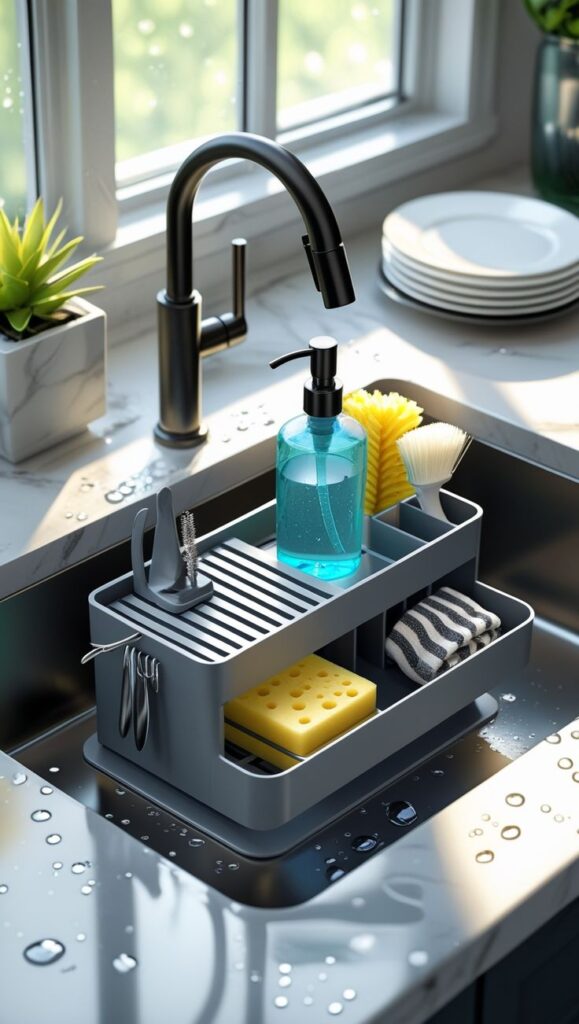
This is one of the most misunderstood areas in the kitchen.
We use it to clean everything… but rarely clean it properly.
How do they get dirty?
- The sponge stays wet most of the time
- Small food particles get stuck inside it after washing utensils
- Oil and grease from dishes also remain in the sponge and sink
- Sink corners collect leftover food, soap residue, and dirt daily
What actually happens?
- Moisture + food particles create the perfect environment for bacteria
- Bacteria grow very quickly in damp and warm conditions
- The sponge starts holding germs instead of removing them
- Every time you wash utensils, germs transfer back onto them
- Sink corners slowly develop a greasy, sticky layer that holds more dirt
❗ Deeper Problems & Risks:
- Germs directly transfer to utensils and then to food
- Can lead to stomach infections and digestion issues
- Bad smell starts developing in the sink area
- Overall kitchen hygiene gets affected without you realizing it
✨Smart Cleaning Tip
After washing utensils, rinse the sink properly with clean water Squeeze and wash the sponge well, don’t leave it soaked
Keep the sponge in a dry place so it can air-dry Replace the sponge every few days instead of overusing it
5) Bathroom Taps & Bucket Handles – Always Wet, Always Ignored
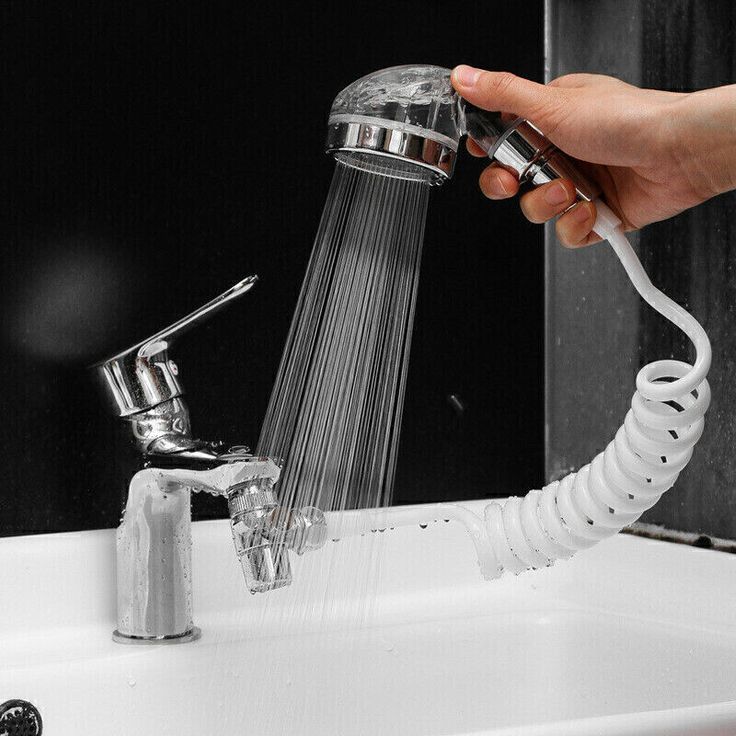
We clean the bathroom regularly,
but these small areas are often left unnoticed.
Even though we use them every day,
they rarely get proper attention.
How do they get dirty?
- They are always in contact with water and soap
- Soap residue sticks to the surface after every use
- Hard water leaves mineral deposits over time
- We touch them with wet and sometimes unclean hands
What actually happens?
- Soap + water + dirt creates a thin sticky layer
- Over time, this turns into a slimy bacterial layer (biofilm)
- Moist surfaces allow bacteria to survive and stay active longer
- Hard water deposits make the surface rough, trapping more dirt
❗ Deeper Problems & Risks:
- Germs spread during daily hygiene activities
- Risk of contamination even after cleaning yourself
- Slippery surfaces can cause accidental slips
- Long-term buildup makes cleaning more difficult
✨Smart Cleaning Tip
Clearly assign this responsibility to every member of the house
Make it a simple rule: after bathing, everything should be left clean—from taps and bucket to even the soap cover
This creates a sense of responsibility and awareness in everyone.
In today’s time, especially in India,
there is a strong need to improve basic civic sense when it comes to bathroom and toilet hygiene.
When each person cleans what they use, the space stays hygienic without extra work for anyone
6) Bag Handles & Wallets – What You Carry Outside Comes Back Inside

These are things we use every day,
but we rarely think about how much dirt they carry.
They travel with us everywhere—
roads, offices, shops, public places.
How do they get dirty?
- They come in contact with multiple surfaces outside
- We place them on tables, counters, chairs, and sometimes even floors
- Dust, pollution, and germs stick to the material easily
- Our hands (which are already exposed to outside dirt) keep touching them
What actually happens?
- Dirt and bacteria stay on the surface for long periods
- When we bring them home, they carry all that outside contamination inside
- Placing them on beds, sofas, or dining areas spreads germs further
- Clean indoor surfaces slowly become contaminated without notice
❗ Deeper Problems & Risks:
- Outside bacteria enter your personal living space
- Hygiene of clean areas like bed and sofa gets affected
- Increased exposure to pollutants and harmful germs
- Even after cleaning your home, dirt keeps re-entering through these items
✨Smart Cleaning Tip:
Fix a dedicated place near the entrance for bags and wallets Avoid placing them on beds, sofas, or kitchen areas
Wipe handles and surfaces regularly (2–3 times a week)
You can also make this a simple house rule for everyone so that outside dirt stays outside as much as possible
7) Curtains & Window Grills – Silent Dust Collectors
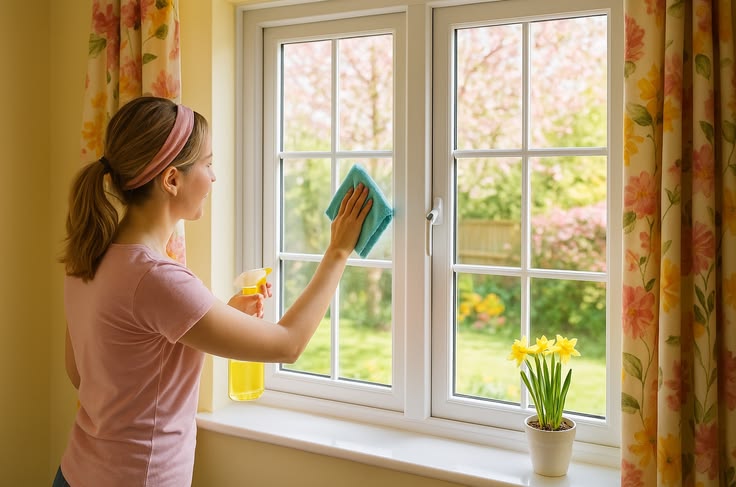
These areas don’t move much…
so we often forget about them.
They look clean from a distance,
but slowly collect a lot of hidden dirt.
How do they get dirty?
- Dust and pollution enter the house through air
- Tiny particles settle on curtains and window grills every day
- When windows are open, outside dirt, smoke, and pollen come in
- Curtains, being fabric, easily trap these particles
What actually happens?
- A fine layer of dust keeps building up over time
- Curtains hold onto dust, pollen, and even small allergens
- Window grills collect dirt in corners and edges
- When air moves (fan or wind), this dust spreads again into the room
❗ Deeper Problems & Risks:
- Breathing discomfort due to poor air quality
- Continuous sneezing and allergies
- Dust particles keep circulating inside the home
- Can affect children and elderly more seriously
✨Smart Cleaning Tip:
You don’t need to clean them daily—just don’t ignore them for too long.
While doing regular cleaning, quickly wipe window grills If possible, shake curtains once in a while to remove loose dust
You can also involve family members in this task so that it doesn’t feel like a burden on one person
Adding indoor plants near windows can also help Plants naturally help reduce dust and improve air quality
8) Fridge Handle & Inner Shelves – Clean Outside, But Risk Inside
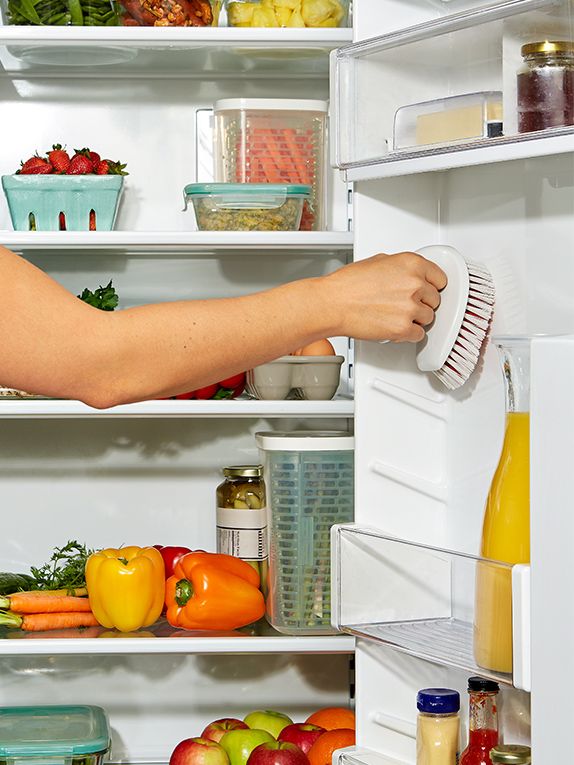
The fridge looks clean from outside,
but inside, small things are often ignored.
Since it stores your food,
even small negligence can directly affect your health.
How do they get dirty?
- We touch the fridge handle many times a day, often with unwashed hands
- While cooking, our hands may have oil, spices, or food particles
- Small food spills inside (milk, curry, vegetables) are often ignored
- Open food items and uncovered containers also add to the mess
What actually happens?
- Moisture from food and cooling creates a damp environment
- Food residue becomes a breeding ground for bacteria
- Closed space of the fridge traps smell and slows air circulation
- Germs spread from one food item to another
❗ Deeper Problems & Risks:
- Food contamination without visible signs
- Bad odor inside the fridge
- Risk of stomach infections and digestion problems
- Faster spoilage of food items
✨Smart Cleaning Tip:
Clean small spills immediately instead of ignoring them Wipe the fridge handle daily with a clean cloth
Check and remove expired or spoiled food regularly
As an Indian habit, we often keep things in the fridge instead of throwing them away immediately—and then throw them after a week
Try to avoid this habit, because it increases smell, bacteria, and contamination inside the fridge
If possible, assign fridge cleaning to one responsible person Avoid giving this task to children, as it directly affects food hygiene
9) Footwear Area / Entrance – The Gateway of Dirt
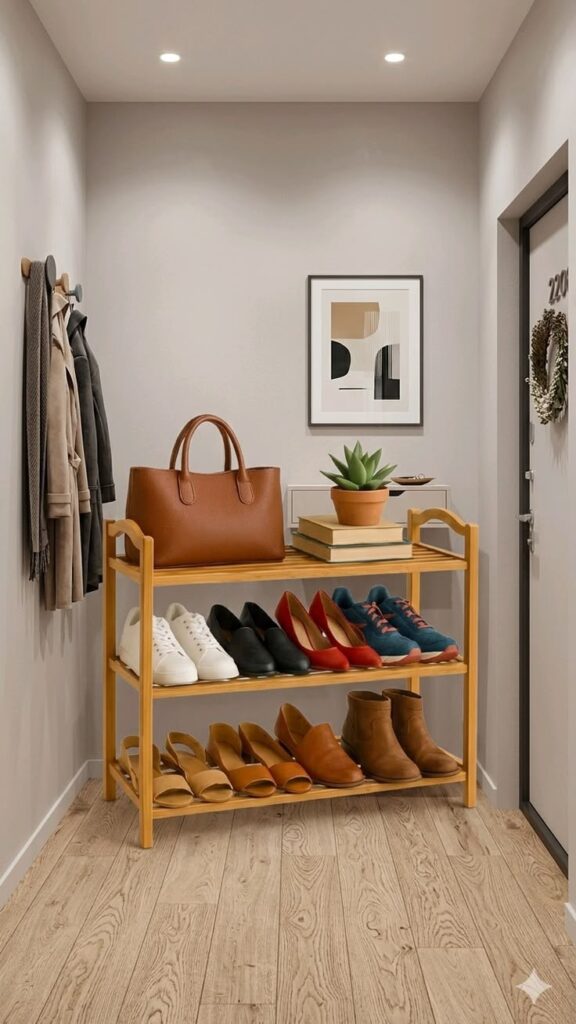
This is the first place where outside meets your home,
yet it is often the most ignored area.
No matter how much you clean inside,
this one space can bring all the dirt back in.
How does it get dirty?
- Shoes carry dust, mud, pollution, and bacteria from outside
- Every step you take outside brings something back with you
- Footwear is often left unorganized near the entrance
- Sometimes shoes are even worn inside the house
What actually happens?
- Dirt starts collecting at the entrance area
- Fine dust particles spread inside through movement and air
- Floors get dirty again even after cleaning
- Bacteria and pollutants slowly enter your living space
❗ Deeper Problems & Risks:
- The entire house loses its cleanliness again and again
- Extra cleaning effort is needed daily
- Increased exposure to outside dirt and germs
- Poor hygiene despite regular cleaning
✨Smart Cleaning Tip:
Keep a fixed and organized place for footwear near the entrance. Avoid bringing outside footwear inside the home.
Clean the entrance area daily with a quick sweep or wipe.
Also, wash your outside footwear at least once a week—something we usually ignore, but it makes a big difference in overall cleanliness.
You can make this a house rule for everyone so that outside dirt stays outside
10) Dustbin – The Most Obvious Dirt, Yet Ignored Inside
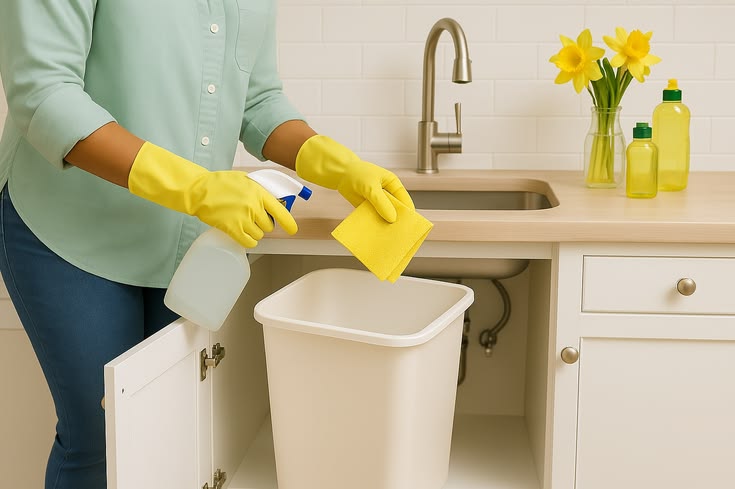
We throw all our waste into the dustbin,
but rarely think about cleaning the dustbin itself.
How does it get dirty?
• All types of waste—wet, dry, food, and packaging—go into it
• Leakage from food waste creates moisture inside
• We keep adding garbage without cleaning the bin properly
What actually happens?
• Moisture + waste creates a strong breeding ground for bacteria
• Bad smell develops over time
• Germs spread around the surrounding area
• Even after emptying, the dirt layer remains inside
❗ Deeper Problems & Risks:
• Unhygienic kitchen or home environment
• Attraction of insects and pests
• Bad odor spreading in the house
• Increased risk of infections
✨Smart Cleaning Tip:
Do this at least once a week, preferably on a holiday, so it becomes a fixed habit.
Use carry bags inside the dustbin and separate your waste into wet and dry.
This simple habit keeps your cleaning maintained and your space more hygienic.
Dear women, this message is for you ❤️
These are not extra tasks…
they are already a part of your daily routine.
It is often said that if a woman decides, she can manage everything.
So today, this is also something that needs to be taken forward by you.
If you are married and living with a family,
this awareness has to start from you and reach everyone around you.
When you teach children responsibility today,
they don’t just grow into good individuals—
they become responsible citizens of the country.
At the same time,
we also need to teach basic hygiene habits—
Because cleanliness is not just a personal habit…
it is a social responsibility.
You are not just managing a home…
you are shaping a mindset.
The habits you build today
will silently become someone’s lifestyle tomorrow.
So don’t think of it as “extra work”
think of it as building a better, cleaner, more aware future.