

There was a time when I felt extremely proud to be born in India. Since childhood, I have heard countless reasons why India is great. India is the Vishwaguru (teacher of the world), one of the oldest civilizations, home to a rich culture, and the land of the philosophy “Vasudhaiva “Kutumbakam“—the belief that the whole world is one family.
And honestly, hearing all this as a child filled me with pride.
But today, in 2026, I feel suffocated.
I can say this with complete awareness: today’s India does not feel like a Vishwaguru to me. Maybe it was once. Maybe it will become one someday. But we cannot ignore the reality that exists today.
As children, we were told that becoming an IAS or IPS officer is one of the hardest things in India.
Today, it feels like the hardest thing is leaving home in the morning and returning safely at night.
Before Calling the World Our Family, Can We Protect Our Own?
We proudly talk about the world being one family.
But can we guarantee the safety of our own families?
Can we say with 100% confidence that if a family member leaves home today, they will definitely return safely?
No.
And that is the most painful truth.
This is not the responsibility of just one system.
The Indian government, the administration, and we, the citizens of India, all share responsibility.
Because after every tragedy, we become emotional for a few days, post on social media, express our anger, and then slowly move on as if nothing happened.
When Human Life Is Measured by Compensation
The image of the recent fire tragedy in Lucknow stays in my mind.
Students went there carrying dreams for their future.
Some parents probably worked overtime to pay their fees.
Some gave up their own wishes and comforts.
Some invested their life savings and retirement funds.
Even before a child is born, parents begin dreaming about their future — their education, career, achievements, and happiness.
And then, one day, everything disappears.
A few minutes of fire.
A few minutes of negligence.
And an entire lifetime is destroyed.
What happens afterward?
Some compensation.
Some political statements.
Some promises.
And then silence.
Is that all a human life is worth?
Are those all the dreams that are worth it?
A New Tragedy Every Day
Every day, the country witnesses something tragic.
- Road accidents
- Building collapses
- Fire incidents
- Air crashes
- Murders
- Rapes
- Exam paper leaks
- Stampedes
- Industrial accidents
The headlines change.
The news channels change.
But the story remains the same.
Nobody wants responsibility.
Nobody wants accountability.
One of the Most Religious Countries, Yet Human Life Feels So Cheap
India is often called one of the most religious countries in the world.
Every religion teaches the value of human life.
Every religion speaks about compassion and humanity.
Yet every day, people continue to lose their lives in preventable tragedies.
The saddest part is that we are slowly getting used to it.
We are forgetting how to be shocked.
We are forgetting how abnormal these incidents really are.
Food Delivery in 2 Minutes, But Not Emergency Services
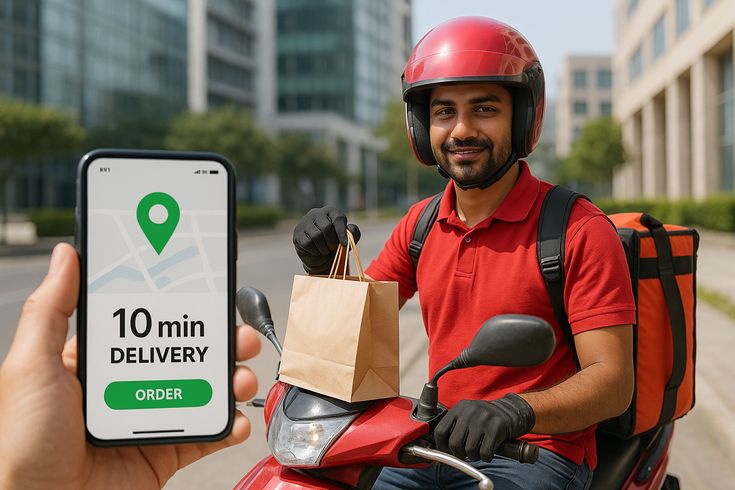
Food can be delivered in 10 or 15 minutes.
Companies can build systems for ultra-fast delivery.
Then why can’t emergency services reach people on time?
Why do ambulances often arrive late after accidents?
Why is trained emergency manpower still lacking in many places?
India records one of the highest numbers of road accident deaths in the world every year.
Many lives are lost not only because of accidents but also because critical medical help arrives too late.
This is not just an infrastructure problem.
It is a priority problem.
Fix the Problem, Not Just Hide It
When an exam paper leaks, the people responsible should be held accountable.
Yet sometimes the focus shifts elsewhere.
Block the platform.
Remove the channel.
Stop the discussion.
But does that solve the real problem?
When a fire breaks out in one building, symbolic actions often begin elsewhere instead of fixing the deeper issues of safety and enforcement.
After every incident, there is a reaction.
But very little prevention.
We Pay Taxes for Everything, Yet Receive No Guarantee of Safety
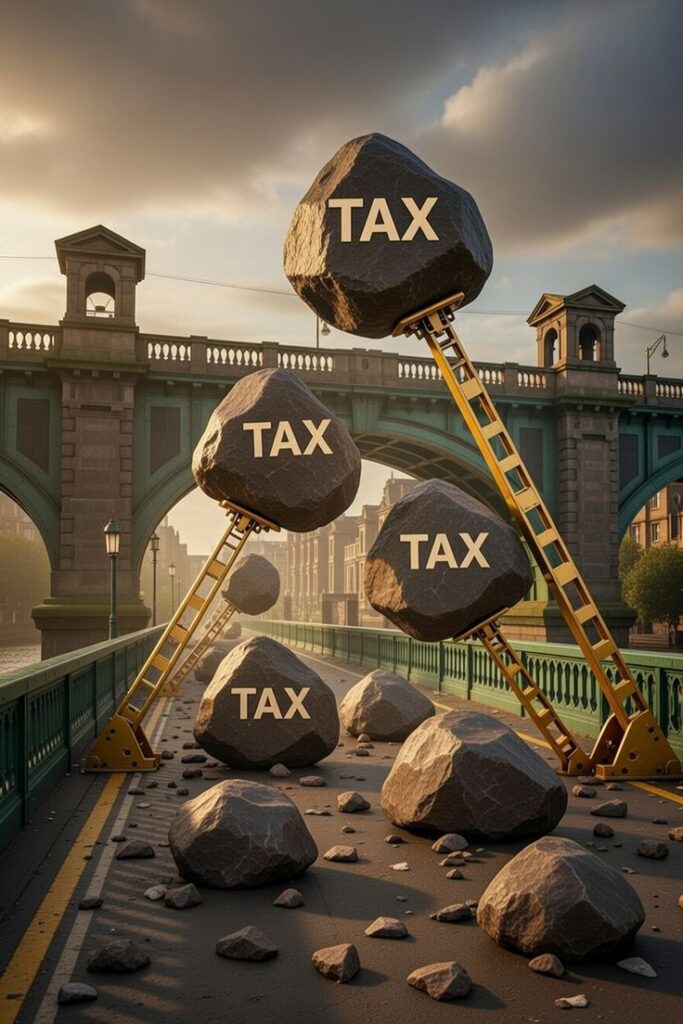
GST.
Income tax.
Road tax.
Property tax.
Service charges.
Taxes are everywhere.
But what does the average citizen receive in return?
If you walk on a road, you must be careful yourself.
If you enter a hotel, you must verify its safety yourself.
If you buy food, you must check its quality yourself.
If you take medicine, you must research it yourself.
If you study at a college, you must hope the building is safe.
Even the responsibility for protecting your own life often feels like your burden alone.
Let’s compare ourselves with other countries.
We often hear that India wants to become one of the world’s largest economies.
A global superpower.
But a nation’s strength is not measured by GDP alone.
It is also measured by the safety, health, education, and quality of life of its citizens.
Japan
Japan faces earthquakes regularly.
Yet its building safety standards are among the best in the world.
Disaster preparedness begins at the school level.
Emergency response systems are highly organized.
United States
America is not perfect.
It has its own problems.
But emergency response systems are generally designed to react quickly.
In many cities, fire departments and ambulance services can respond within minutes.
Even a small sign of smoke can trigger immediate action.
European Countries
Many European nations place citizen safety and public accountability at the center of governance.
That is one reason why they consistently rank high in quality of life, happiness, and human development indicators.
And India?
India continues to struggle in many global rankings related to happiness, public trust, and institutional accountability.
These rankings are not just numbers.
They reflect how safe, secure, and empowered ordinary people feel in their daily lives.
Before Becoming a Vishwaguru, Give People Basic Trust
I do not have a problem with economic growth.
I do not have a problem with development.
I do not have a problem with technology, smart cities, or modernization.
But before becoming a teacher to the world, give your own people a basic sense of security.
Let a mother believe her child will return safely from school.
Let a student feel safe inside a library.
Let a traveler trust the transportation system.
Let a citizen believe that in an emergency, the system will stand beside them.
Because a country’s greatness is not measured by slogans, speeches, or advertisements.
It is measured by the value it places on the life of an ordinary citizen.
And until people feel secure about their own safety…
“Saare Jahan Se Achha Hindustan Hamara” may remain a beautiful song.
But it will not become a reality…