

second-hand life—accepting beliefs, following customs, and making choices simply because they were handed down to us, without ever stopping to ask whether they truly belong to us.
We often say that our culture is great, our traditions are sacred, and our customs connect us to our roots. There is truth in this. Traditions have helped families and communities stay connected, kept festivals alive, and carried the experiences of one generation to another. But there is a question we rarely ask:
“The things I was given from birth—did I ever choose them for myself?”
This question takes us to the idea of a second-hand life. Aborrowed life is a life that we do not completely choose for ourselves. Our decisions are shaped by family expectations, social rules, other people’s opinions, comparison, fear, and beliefs that we inherited without examining them. Our parents believed certain things, so we believed them. They followed certain customs, so we followed them.
They called certain things right, so we accepted them as right. And slowly, the same process continues from one generation to another. Sometimes, we are not really living our own lives. We are simply becoming another version of our parents. And perhaps our parents were also living according to what their parents taught them.
So the real question is not
“Are our traditions right or wrong?”
The deeper question is
“Did we understand them before accepting them, or are we simply following them because we were taught to?”
Are You Really Living Your Own Life?
Think about your daily life for a moment. What you eat. What you wear. What career do you choose? Who you marry.
How you celebrate festivals. What you believe about God. What you consider successful. What you fear. What you consider right or wrong.
How many of these choices are truly yours? And how many were decided long before you were old enough to question them? This does not mean everything we learn from our families is wrong. In fact, learning from previous generations is necessary. No human being can discover everything from zero.
The problem begins when learning becomes blind following. There is a difference between accepting something after understanding it and accepting something simply because everyone around you does it. That difference is where independent thinking begins.
What Is a Second-Hand Life?
Imagine buying a shirt that someone else has already chosen for you. You did not choose the color. You did not choose the design. You did not even decide whether you liked it. You simply wore it because someone told you, “This is what you should wear.”
Now imagine doing the same thing with your entire life. Someone else decides what success means. Someone else decides what a respectable career looks like. Someone else decides when you should marry. Someone else decides what you should believe.
Someone else decides what traditions you should follow. And you simply continue. That is what a second-hand life can look like. It may look completely normal from the outside. You may have a good job, a family, money, a house, and social respect.
But somewhere inside, you may still wonder:
“Is this actually the life I wanted?”
Why Do We Follow Traditions Without Questioning Them?
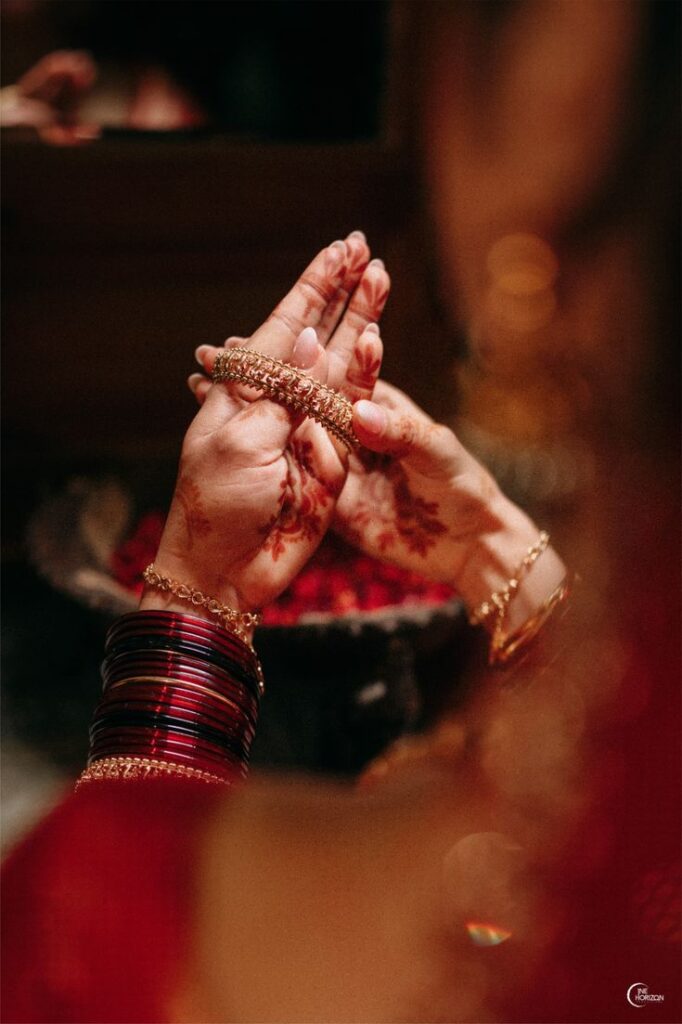
Traditions are not automatically wrong because they are old. But being old does not automatically make something true either. A tradition may have started for a meaningful reason. It may have helped people in a particular time, place, or social situation. But society changes.
Technology changes. Science changes. Our understanding of human rights changes. Our relationship with nature changes. So naturally, some practices may also need to change.
The problem is that we often confuse age with truth. We think, “This has been happening for hundreds of years, so it must be correct.” But history does not work that way. Something can survive for a very long time simply because people keep repeating it.
Being old proves that something is old. It does not prove that it is right.
At the same time, we should not reject every old tradition simply because it is old. Some traditions carry love, community, gratitude, family connection, or respect for nature. The right approach is neither blind acceptance nor blind rejection.
The right approach is understanding.
Are Your Beliefs Really Yours?
This becomes even more interesting when we think about our beliefs. Suppose you believe in God. Ask yourself:
“Why do I believe in God?”
Did you explore this question yourself? Or did you believe because your parents believed? If you were born into a completely different family, culture, or country, would your beliefs have been exactly the same? This question is not meant to prove that religion is right or wrong. It is meant to make us aware of where our beliefs come from.
The same question can be asked about fasting, prayers, rituals, vows, superstitions, auspicious days, or ideas about what is considered good and bad. There is nothing wrong with following a practice. But if the only answer to “Why do you do this?” is:
“Because we have always done it.”
Then perhaps it deserves another question.
“But why?”
Why We Become Copies of Our Parents

Children learn by watching. They observe how their parents behave, what they fear, what they respect, what they celebrate, and what they reject. This is a natural part of human development. Psychology has shown that people learn many behaviors and social patterns through observation and their environment. A child cannot independently test every belief in the world.
They need adults to guide them. But what protects us in childhood can sometimes become a limitation in adulthood. As children, we think:
“My mother said it, so it must be true.”
As adults, sometimes the sentence simply changes to:
“Everyone believes it, so it must be true.”
Our age has changed. But our thinking may not have changed with it. Growing older is biological.
Growing in awareness is a choice.
The Fear Behind “What Will People Say?”
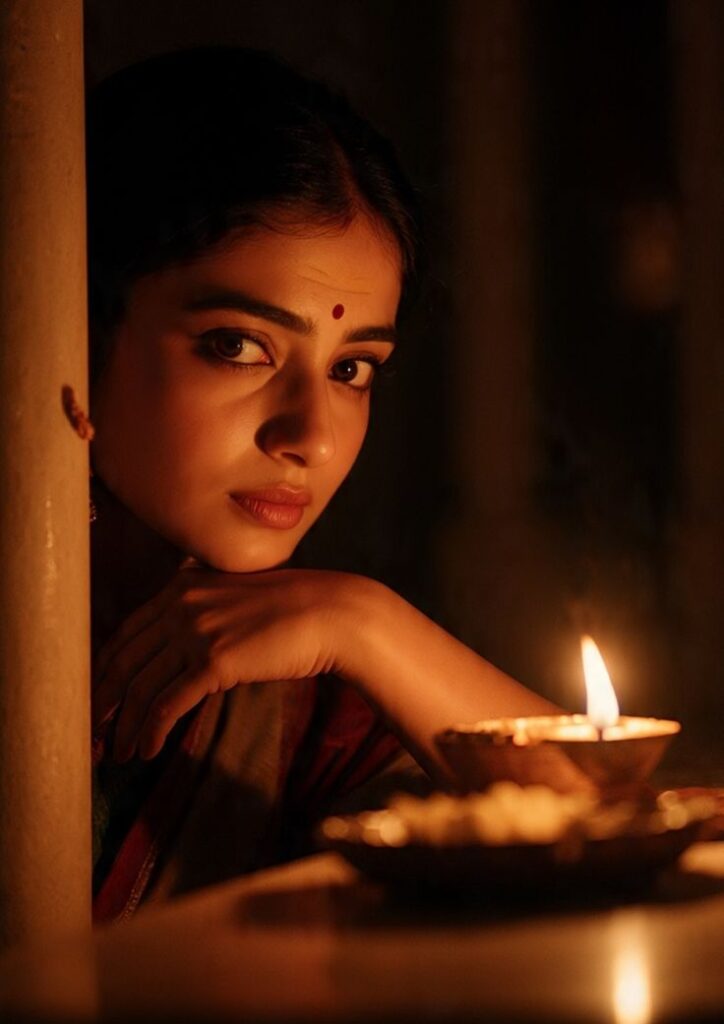
Perhaps one of the strongest forces behind a borrowed choice is a simple sentence:
“What will people say?”
We hear it when choosing a career. We hear it when deciding whom to marry. We hear it when changing our lifestyle. We hear it when choosing a different path. We fear disappointing our parents.
We fear relatives judging us. We fear being different from our friends. We fear being alone. And because of this fear, we sometimes give other people the responsibility of making our life decisions. The decision may technically be ours.
But the reason behind the decision belongs to someone else. That is where a second-hand life begins.
How Society Quietly Controls Our Choices
Society does not always control us through force. Sometimes it controls us through approval and disapproval. When we do what everyone expects, we receive approval. When we behave differently, we may face questions, criticism, or rejection. So our mind learns something very quickly:
“If I want to belong, I should behave like everyone else.”
This is one reason people often follow the crowd even when they privately disagree. Standing alone requires courage. Following the crowd requires very little explanation. But there is a hidden cost. When you constantly choose acceptance over authenticity, you may slowly lose touch with your own voice.
Social Media Has Made Comparisons Even Stronger
Today, we do not only compare ourselves with the people around us. We compare ourselves with hundreds of people every day. Someone is travelling. Someone bought a house. Someone got promoted.
Someone is getting married. Someone is building a successful business. Someone looks happy all the time. We see these carefully selected moments and compare them with our ordinary life. Then we start wanting things without asking whether those things actually matter to us.
We may begin to copy lifestyles we have never experienced.
We are not just comparing lives anymore. We are borrowing desires.
And that is another form of second-hand living.
Old Does Not Always Mean Right
Our minds naturally like familiar things. A familiar idea feels easier to accept than an unfamiliar one. That is one reason social conditioning can be so powerful. If you hear the same idea from your family, community, school, and society for years, it can begin to feel like an obvious truth. But familiarity and truth are not the same thing.
A belief can feel comfortable and still deserve examination. This is why intelligence is not only about education or degrees. A highly educated person can still blindly follow beliefs. And a person without formal education can ask deeply intelligent questions.
Real thinking begins when we become willing to ask, “Why?”
Questioning Is Not Disrespect
Many people believe that questioning traditions means disrespecting their parents, culture, or religion. It does not have to mean that. You can respect your parents without accepting every belief they hold. You can respect your culture while questioning a harmful practice. You can respect religion while examining your own beliefs.
You can respect tradition while updating it for the present. In fact, questioning can sometimes be a deeper form of respect. Because when you understand something, you are choosing it consciously. You are no longer following it because of fear. You are following it because you understand its value.
We Should Not Destroy Tradition. We Should Understand It.
There is an important difference between breaking social conditioning and rejecting everything from the past. We should not assume that everything traditional is bad. Many traditions were created around meaningful human values. Festivals brought people together. Community celebrations created belonging.
Some practices connected people with nature and seasons. Family rituals created opportunities for people to meet and share time. The problem often begins when we forget the original purpose and continue only the outer ritual. A festival may have been about community, but we may turn it into competition and display. A tradition may have been connected to nature, but we may continue the ritual while ignoring the environment.
A practice may have been created to bring people together, but it may later become a way of controlling individual choices. So perhaps we do not need to destroy traditions.
We need to understand their purpose and carry the meaningful parts forward.
Upgrading Traditions Is Not an Insult to Our Culture
Think about technology. We do not use old phones simply because they are old. We upgrade them when better technology becomes available. Medicine changes. Education changes.
Science changes. Our cities change. Our understanding of human behavior changes. So why should every social practice remain exactly the same forever? If a tradition still creates love, respect, community, gratitude, or connection with nature, preserve it.
If a practice creates discrimination, unnecessary fear, exploitation, or harm, question it. If the original purpose is valuable but the method has become outdated, upgrade the method while keeping the value. That is not destroying culture. It is allowing culture to evolve.
How to Know Whether a Belief Deserves to Stay
The next time you follow a ritual, belief, or social rule, pause for a moment and ask:
Why do I do this?
Where did this belief come from?
Did I understand it before accepting it?
Would I still choose it if nobody around me followed it?
Does it respect human dignity?
Does it create unnecessary fear or discrimination?
Does it respect nature?
Does it still make sense in today’s world?
These questions are not designed to destroy beliefs. They are designed to make your relationship with your beliefs more conscious. The important question is
Are you controlling your beliefs, or are your beliefs controlling you?
The Courage to Stand Alone
Independent thinking is not always comfortable. The moment you start questioning your conditioning, you may discover that some of your beliefs are not really yours. That can be uncomfortable. You may disagree with people close to you. You may feel different.
You may have to make decisions without everyone’s approval. This is where courage becomes important. A crowd gives you comfort because someone else has already chosen the direction. Standing alone means accepting responsibility for your own direction. But standing alone does not mean becoming arrogant or believing that you are always right.
It means being willing to say:
“I will listen to you. I will understand your perspective. But I will also think for myself.”
That is maturity.
How to Stop Living a Second-Hand Life
You do not need to leave society. You do not need to reject your family. You do not need to stop celebrating festivals. You do not need to reject every tradition. You simply need to become more conscious about what you follow.
- Observe.
- Question.
- Understand.
- Choose.
If something carries love, keep it. If it creates connection, protect it. If it respects nature, strengthen it. If it brings people together, preserve its meaning. But if something exists only because people are afraid to question it, give yourself permission to examine it.
You are not required to carry every belief simply because it was handed to you.
We Were Born as Individuals
Every human being is born with a different personality, different experiences, different abilities, and different questions. Yet as we grow older, we often try to fit ourselves into the same social template. The same definition of success. The same idea of a good life. The same expectations.
The same fear of judgment. But perhaps we should ask ourselves:
“If I did not have to impress anyone, compete with anyone, or worry about anyone’s judgment, what kind of life would I choose?”
The answer may not come immediately. But the question itself can change something inside you. Because your life should not be a photocopy of someone else’s life.
Your Life Does Not Have to Be a Copy
Our parents lived their lives. Their parents lived theirs. Now it is our turn. We can respect what they gave us without becoming copies of them. We can carry forward wisdom without carrying forward every limitation.
We can respect traditions without becoming prisoners of them. We can believe without becoming blind. We can question without becoming disrespectful. And we can change without forgetting where we came from. The goal is not to become different just for the sake of being different.
The goal is to become conscious enough to know why you are doing what you are doing.
A Life Based on Humanity and Nature
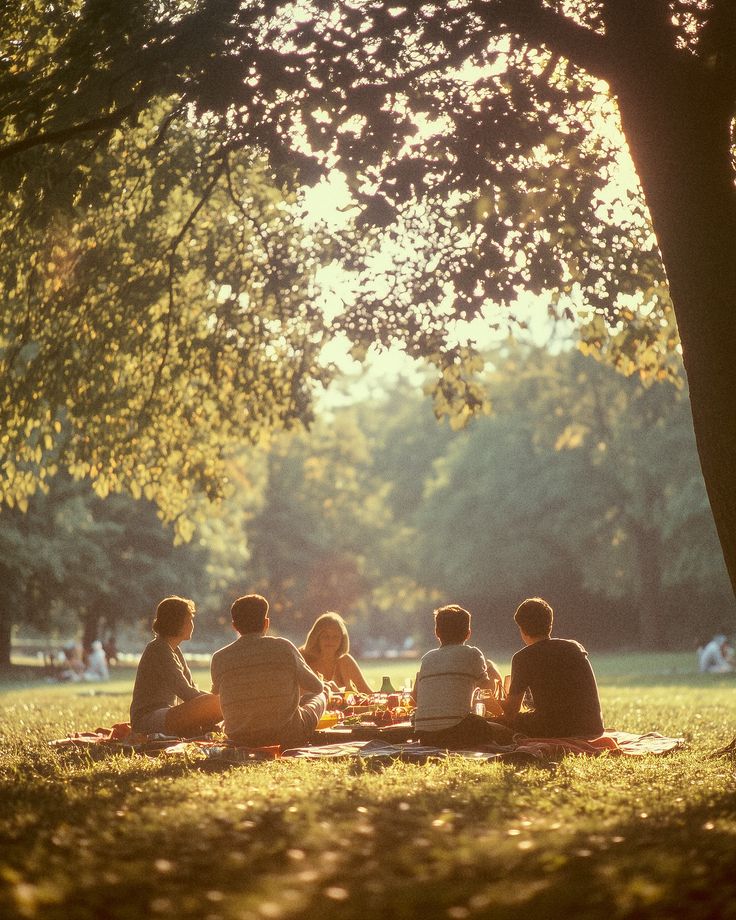
Perhaps the most important question for our generation is not
“Which tradition is the best?”
It is:
“What kind of human beings are we becoming?”
If our beliefs make us kinder, more compassionate, more responsible, and more respectful toward other people, they have value. If our traditions teach us to respect nature, protect the environment, and understand our connection with the world around us, they have value. But if a belief makes us hate another person, discriminate against someone, destroy nature, or live constantly in fear, then it deserves to be questioned. Because no ritual should be more important than human dignity.
And no tradition should be more important than the natural world that keeps us alive. Perhaps this is what our time needs most:
more humanity and more respect for nature.
If these two things become stronger, life itself can become more meaningful.
The Real Question: Are You Living Your Life?
Maybe you have never thought about your life this way. Maybe most of your choices genuinely belong to you. Or maybe some of them were simply inherited. You do not need a revolution to find out. You only need a few honest questions.
Why?
Why do I believe this?
Why do I follow this?
Who taught me this?
Does it still make sense?
Does it create humanity?
Does it respect nature?
And finally:
“Am I choosing this consciously?”
Because life is not only about earning money, building a house, getting married, raising children, and meeting society’s expectations.
Perhaps life truly begins when we stop living on borrowed answers and start asking our own questions.
A second-hand life is not necessarily an unhappy life. It can look successful. It can look comfortable. It can even look perfect from the outside. But a meaningful life requires something deeper:
the courage to know why you are living the way you are living.
Respect the past. Learn from your parents. Understand your traditions. Question your conditioning. Keep what has meaning.
Change what causes harm. And choose consciously. Because our responsibility is not simply to pass our traditions to the next generation.
It is to pass them on with greater understanding than we received them.
We were not born to be copies.
We were born to live, question, understand, and choose.
And perhaps the day you stop living according to a script you never wrote is the day you finally begin living your own life.